



SSB Heart & Multispeciality Hospital
Established in 2007, SSB Heart & Multispeciality Hospital, Faridabad, has earned the reputation of being the ‘Best Emerging Critical Care Hospital in Delhi NCR.

Rainbow Children’s Hospital, Hyderabad
Rainbow Children’s Hospital located in Banjara Hills, was established in 1999 and holds NABH accreditation. With over 225 beds, it offers comprehensive care for Pediatric

Yashoda Hospital, Hyderabad
Yashoda Hospitals is a renowned hospital chain based in Hyderabad, Telangana, India, with branches in Somajiguda, Secunderabad, Malakpet, and Hitec City, collectively offering a bed capacity of 4000.
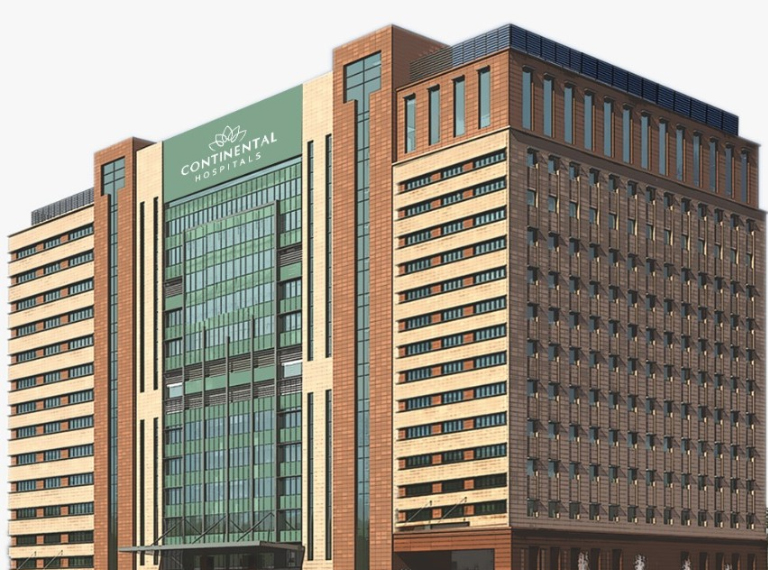
Continental Hospital, Hyderabad
Continental Hospital, established in 2013 in Hyderabad, is a JCI and NABH-accredited super-speciality hospital.

Apollo Hospitals, Jubilee Hills Hyderabad
Established in 1988, Apollo Hospital, Jubilee Hills, Hyderabad has become one of the most renowned Health Cities in Asia.

Aster CMI Hospital (Hebbel), Bangalore
Aster CMI Hospital, located in Bangalore, is renowned as one of the finest hospitals in the city. It is a part of DM Healthcare, which is one of the largest and fastest-growing conglomerates, covering a.

BGS Gleneagles Global Hospital, Bangalore
BGS Gleneagles Global Hospital, is one of the region’s largest integrated private Hospitals & is ranked as India’s fourth-largest healthcare chain.

Hosmat Hospital, Bangalore
Hosmat Hospital is a multi-speciality hospital in Bangalore with 650 beds. It has received accreditation from NABH, TUV, and ISO:9001:2015, ensuring high-quality healthcare services.

HCG Cancer Centre, Bangalore
HCG Cancer Centre, located on K. R. Road in Bangalore, is a multi-specialty hospital accredited by NABH, NABL, DSIR, FDA, CAP, and ISO: 9001.

Apollo Hospital, Bangalore
Apollo Hospital, located on Bannerghatta Road in Bangalore, was established in 2007. It is a state-of-the-art facility Accredited by the Joint Commission International (JCI), which sets the gold standard for healthcare organisations.

Manipal Hospital (Old Airport Road)
Manipal Hospital, Bangalore established in 1991, stands as one of India’s largest healthcare networks. Renowned for its exceptional standards of care and quality, it offers specialised medical services.

Seven Hills Hospital, Mumbai
Established in 1986, Seven Hills Hospital, Mumbai is a prestigious medical facility with accreditations from NABH, NABL, and JCI.

Global Hospital, Mumbai
Global Hospitals, ranked as India’s fourth-largest healthcare chain, has been at the forefront of multi-organ transplants, including kidneys, liver, heart, and lungs.

HCG Cancer Centre, Mumbai
Pioneering cancer treatment since 1970. NABH-accredited, offering advanced therapies like Elekta Versa HD Radiation and comprehensive Bone Marrow Transplants.

Saifee Hospital, Mumbai
Established in 2005, Saifee Hospital Mumbai is a distinguished ISO and NABL-accredited healthcare facility.