
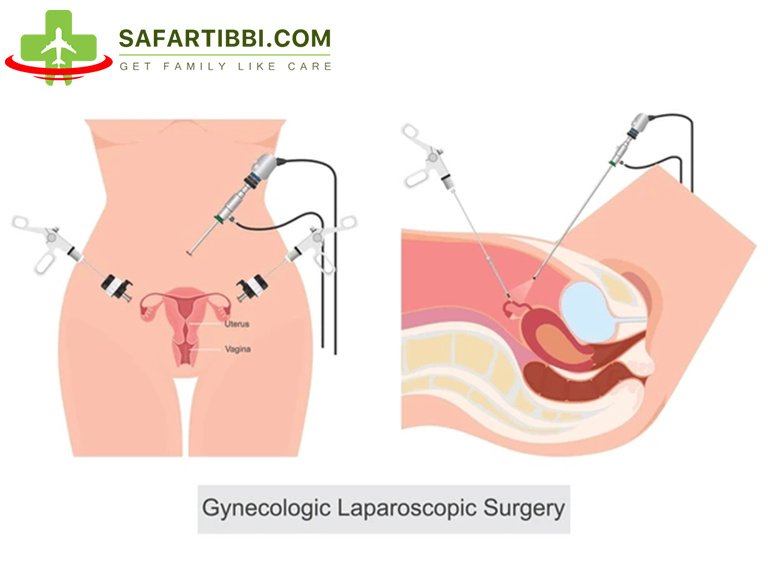


Zemya IVF & Fertility Clinics, Green Park, Delhi , India
Ferticity Fertility Clinics is one of the biggest fertility centres in Delhi and is designed to provide enough space for the couple and serenity which is needed to be comfortable and relaxed.

Rainbow Children’s Hospital, Hyderabad
Rainbow Children’s Hospital located in Banjara Hills, was established in 1999 and holds NABH accreditation. With over 225 beds, it offers comprehensive care for Pediatric

Baby Science IVF Center, Bangalore
Baby Science IVF Center, the leading IVF group in India, was established in 2020 in Bangalore.

Saifee Hospital, Mumbai
Established in 2005, Saifee Hospital Mumbai is a distinguished ISO and NABL-accredited healthcare facility.

Nova IVF Fertility, Vasant Vihar, New Delhi
Nova IVF Fertility is among the largest service providers in fertility treatment. It aims to provide advanced Assisted Reproductive Technology

ART Fertility Clinic, New Delhi
ART Fertility Clinic is one of the best IVF centers in New Delhi for its modern technology & renowned fertility specialists.

Birla Fertility & IVF, Lajpat Nagar, New Delhi
Birla Fertility & IVF in Lajpat Nagar, provides personalized fertility treatments with the most advanced techniques at an affordable price.

Fortis La Femme, Greater Kailash, New Delhi
Fortis La Femme Hospital has currently 38 beds with the latest medical amenities.

Ferticity Fertility Clinics, Malviya Nagar, New Delhi
Ferticity Fertility Clinics is one of the biggest fertility centres in Delhi and is designed to provide enough space for the couple and serenity which is needed to be comfortable and relaxed.

CK Birla Hospital, Gurgaon
The hospital relies on both international and national guidelines & protocols of healthcare delivery and brings world-class care closer to home.
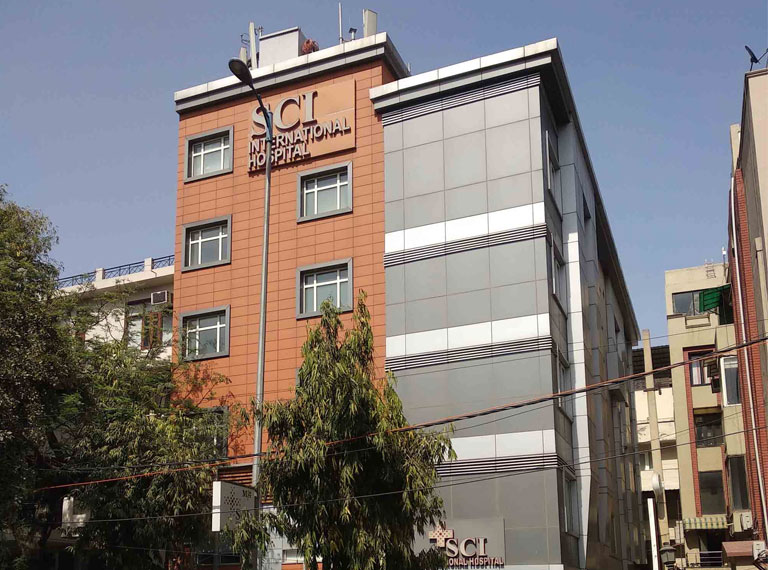
SCI International Hospital, New Delhi
SCI International Hospital is a 50 bedded fully NABH, state-of-the-art super speciality surgical hospital in New Delhi.
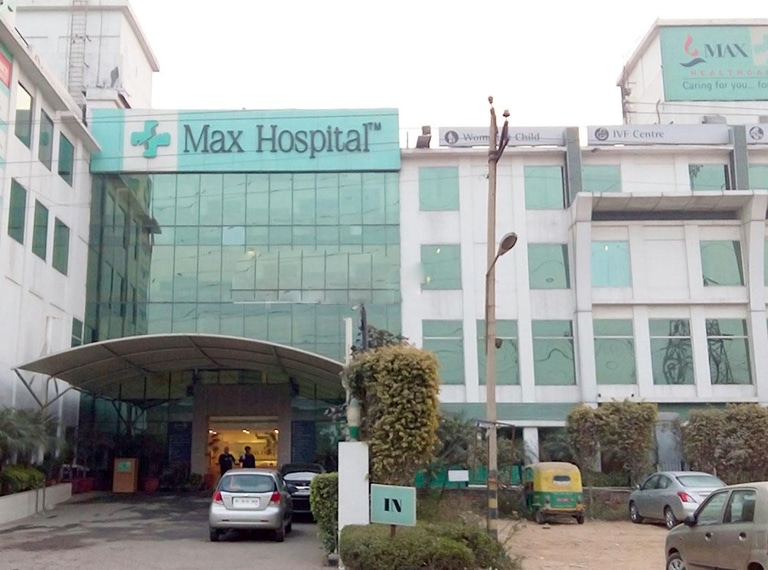
Max Hospital, Gurgaon
Max Hospital has expertise across 35 specialized fields including Cardiac Sciences, Minimal Access, and Laparoscopic Surgery, Neurosciences, Urology, Orthopedics, Aesthetics, and Reconstructive Surgery, and Nephrology.
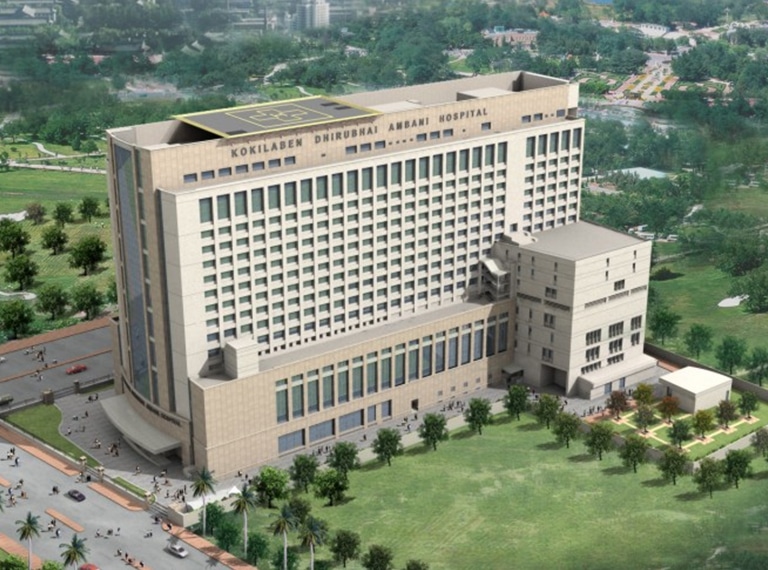
Kokilaben Dhirubhai Ambani Hospital, Mumbai
The hospital has 750- bed hospital, 103+ full-time doctors, 520 nurses and about 200 paramedics, and is growing to fulfill the needs of the community in healthcare service.

Fortis Hospital, Shalimar Bagh, New Delhi
Fortis Hospital, Shalimar Bagh, is a leading multi-super-speciality healthcare facility committed to delivering world-class patient care. With a total of 262 beds and sprawling across 7.34 acres, the hospital offers the highest quality medical services,.

Apollo Hospitals, Mumbai
Apollo Hospitals, Mumbai is one of the most advanced Multi-Speciality Quaternary Care hospitals in Bombay.